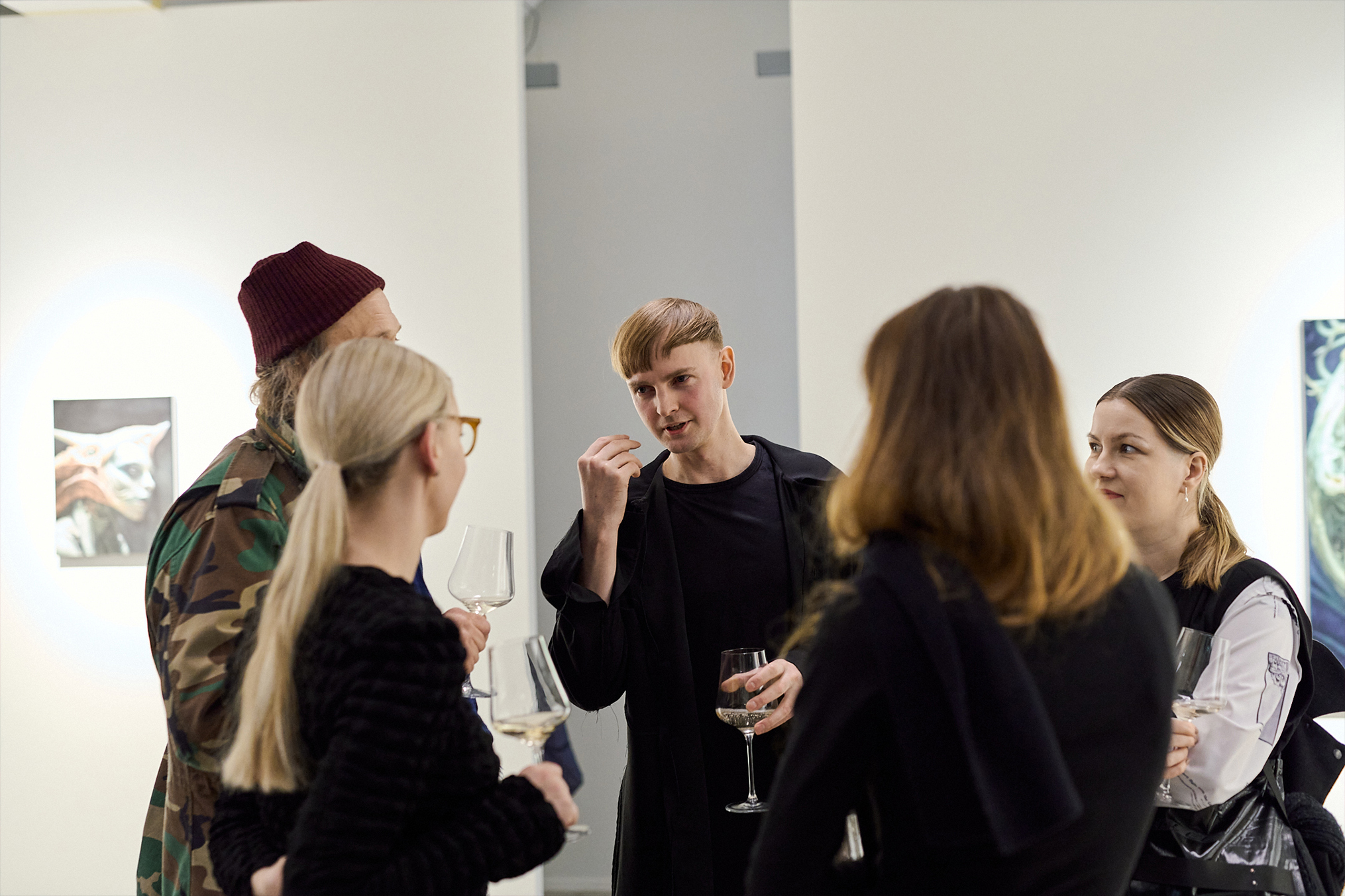
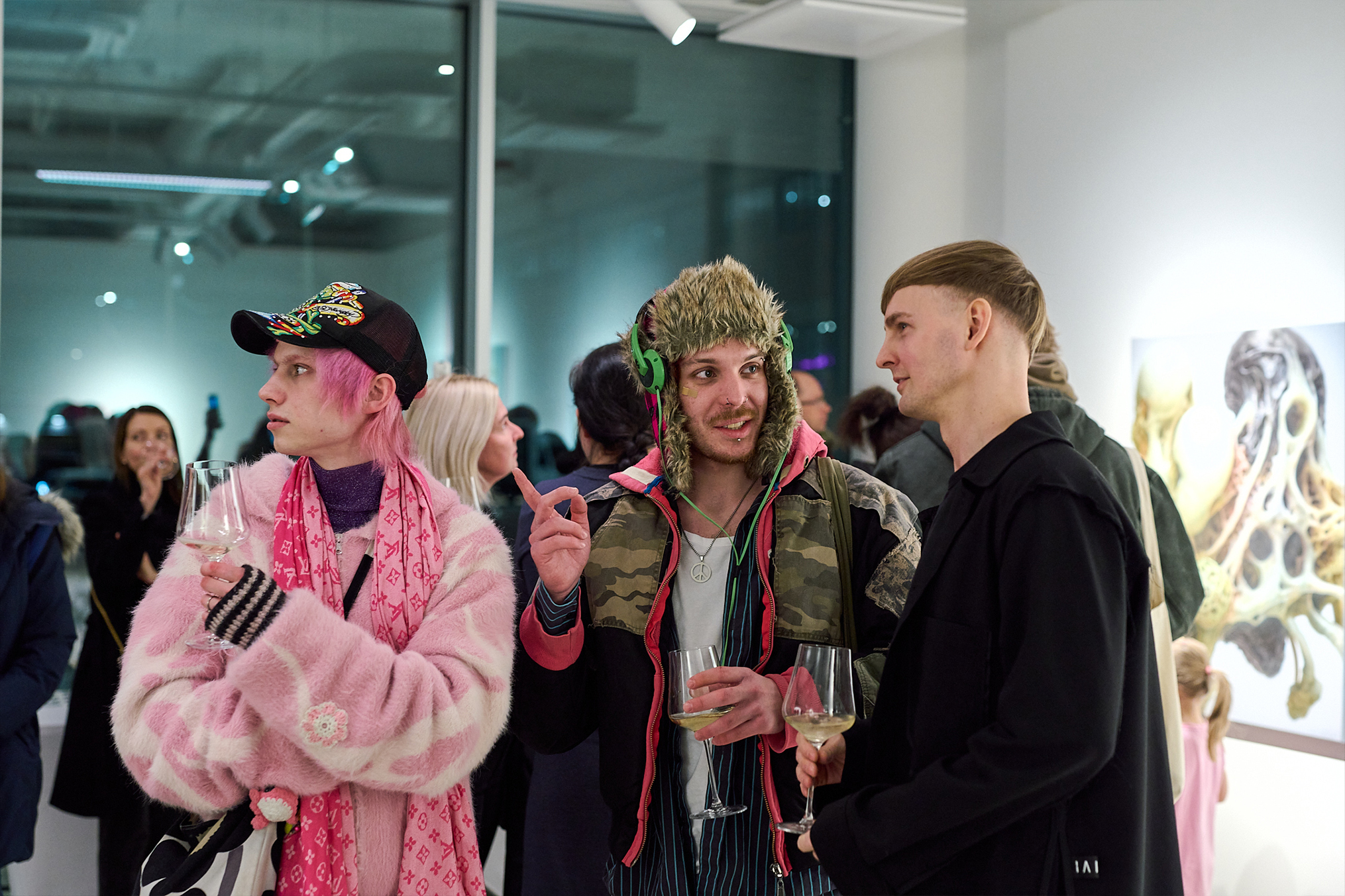
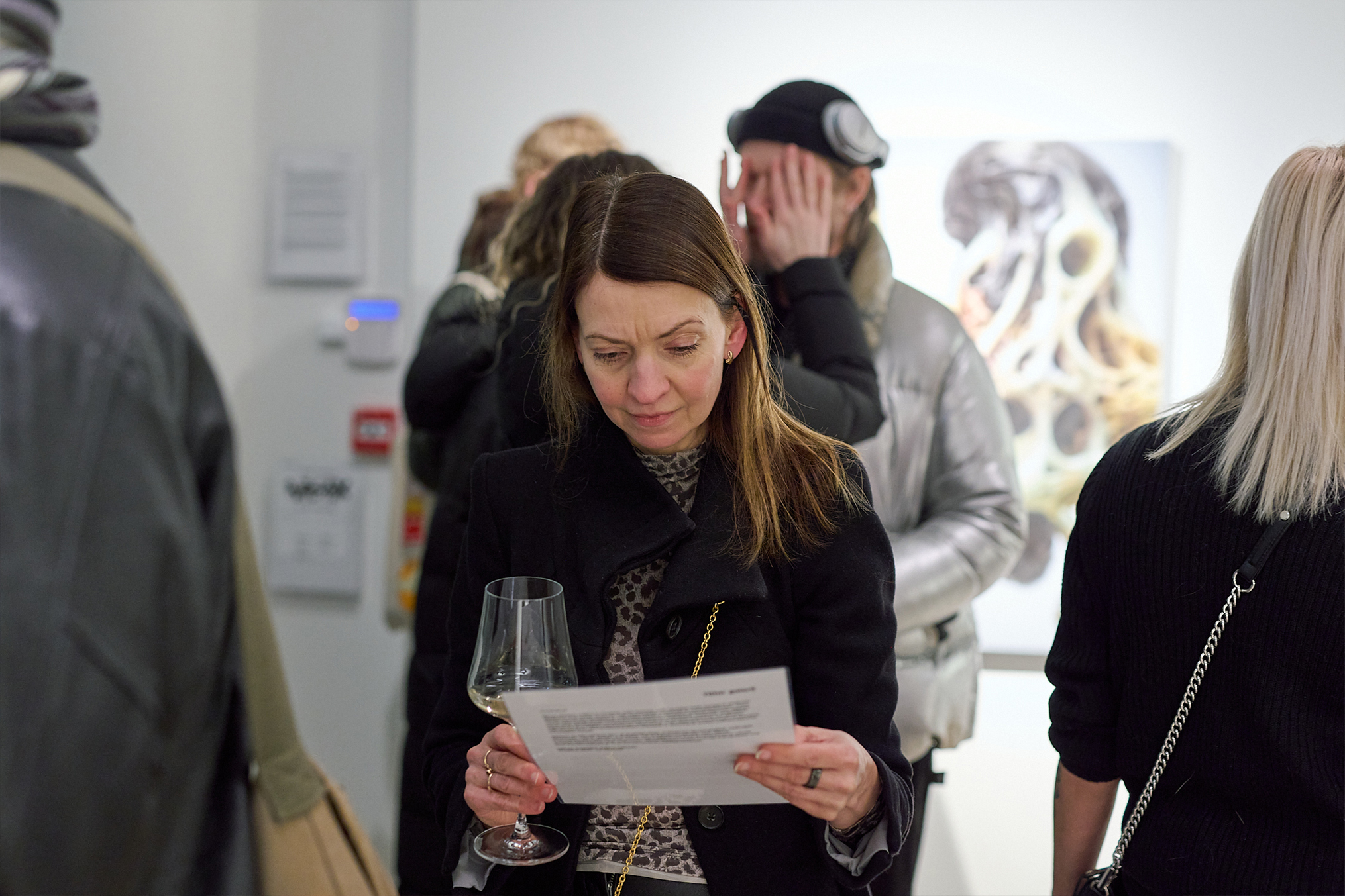
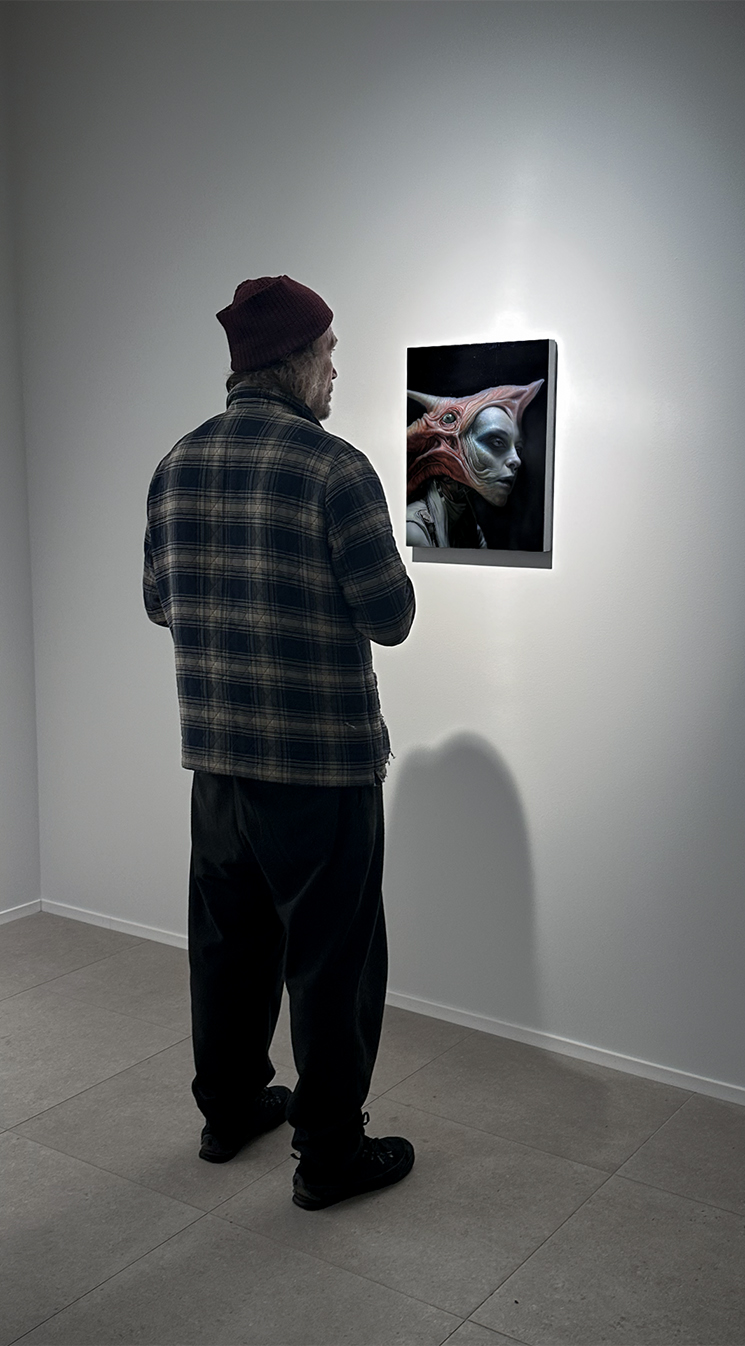
ALTERIX (2026)
solo exhibition /
TÜTAR gallery, Tallinn
TÜTAR gallery, Tallinn
Human beings have always had serious problems with the other. Anyone who is not unambiguously me is that alien other. Of course, the other is not necessarily always dangerous; far from it. But sometimes it is. Sometimes we grasp that. Sometimes we don’t. By that point it’s usually too late to do anything about it. All those terrifying experiences that have accumulated over countless generations are like the echoes of a framework collapsing. We know it when it happens.
But in reality, what’s dangerous for somebody is nothing more than transcending the species’ biological limits of tolerance. For just about all human beings, plummeting into the waters between ice floes results in a quick death – but for virtually all penguins, it’s an everyday trip to the grocery store.
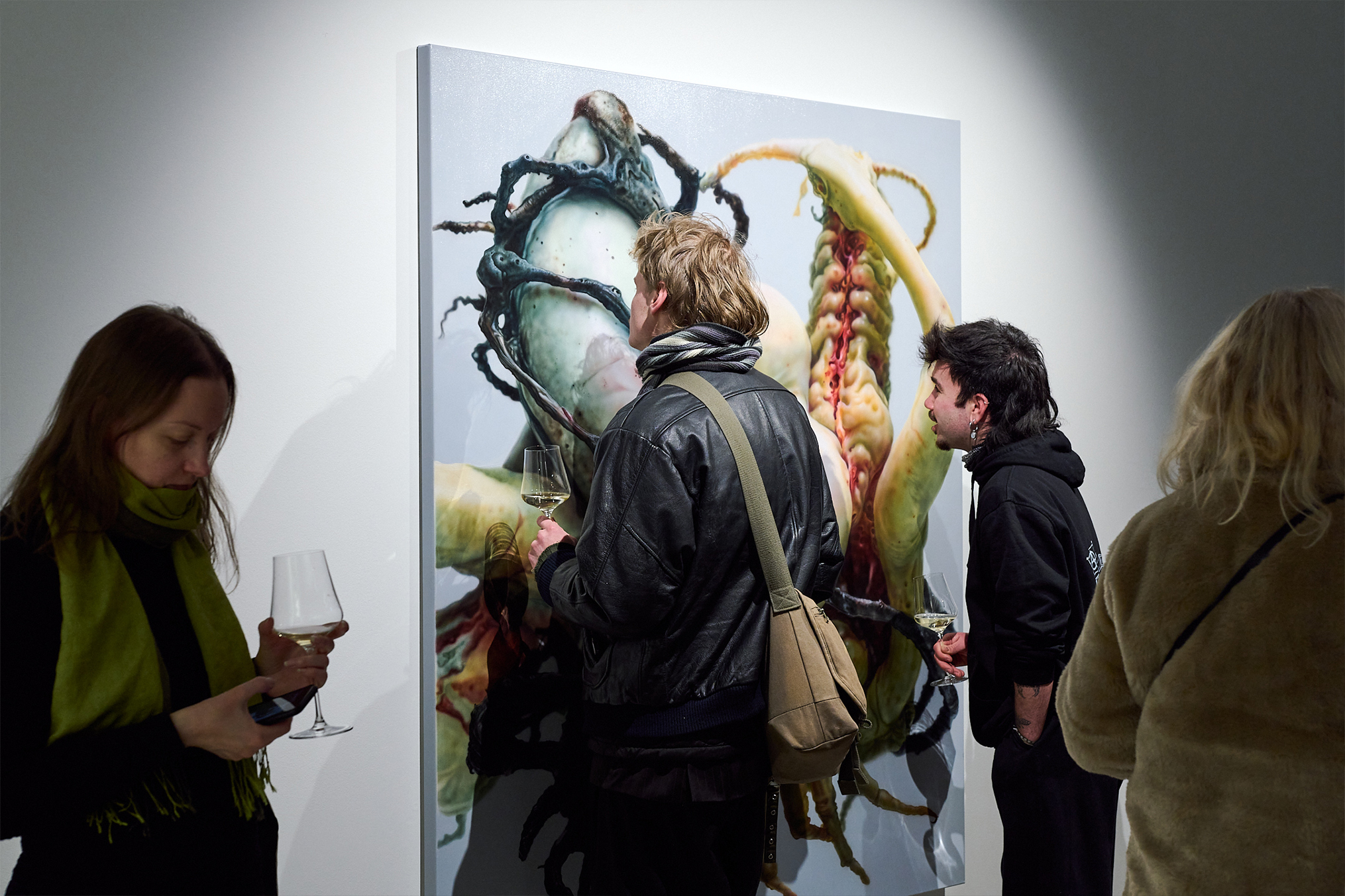
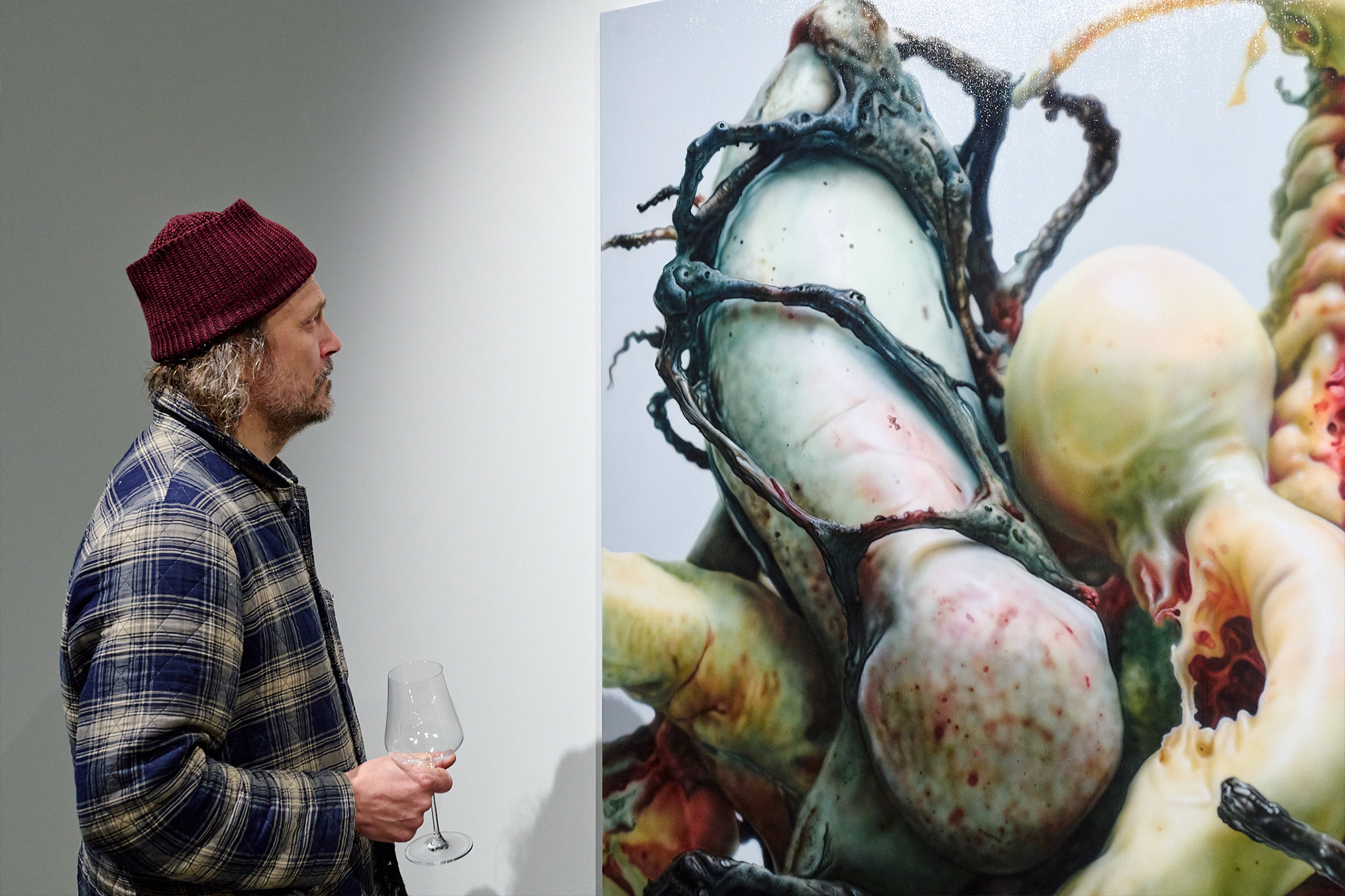
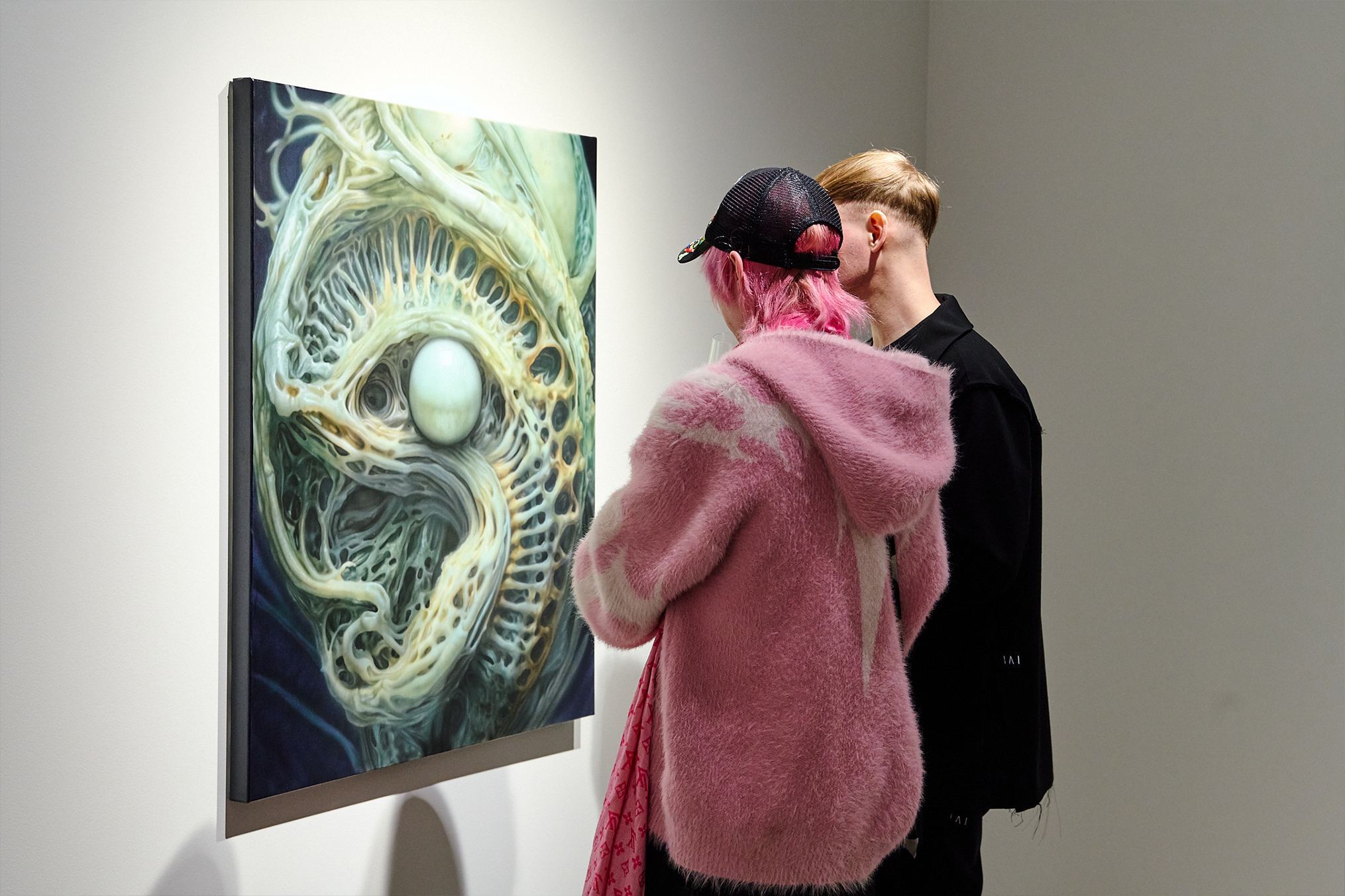
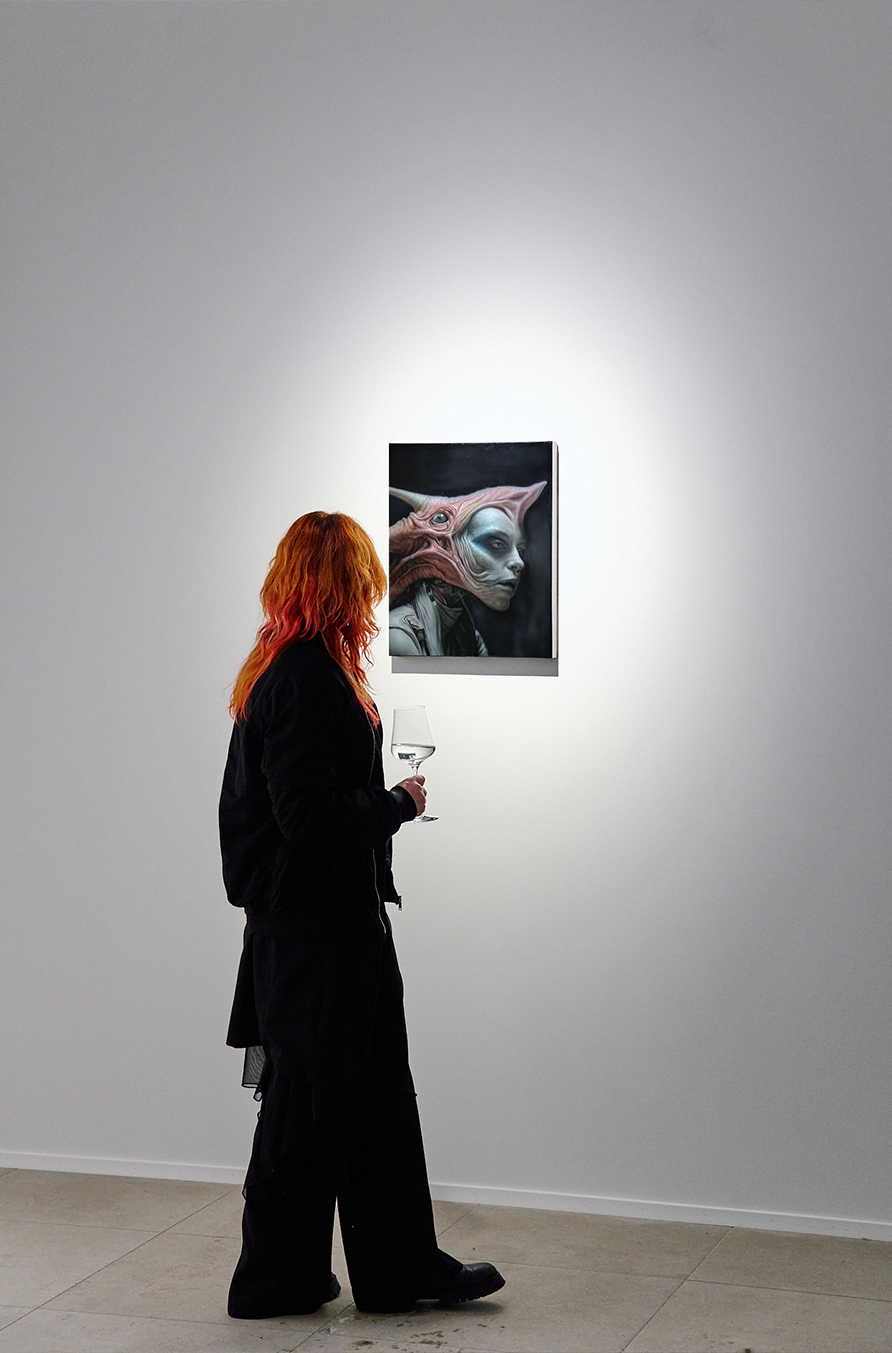
This brings us to the paintings of Mihkel Maripuu. My initial instinct was: I’m looking at life forms whose main message to me, transmitted direct via biological channels, is that they’re dangerous in all sorts of ways and that the smart thing to do would be to stay well away from them. It’s unclear whether they’d bite me, envelop me or eat away at me. In any case, they’ve transcended even lacanesque reality, forming indecipherable fields of life-matter that signal danger to beings in human form.
Yet this is merely a human point of view. Were a bee, a shark or an orchid to describe their own encounters with these life forms, there would be no overriding human sense of danger. In nature, creatures interact with one another in forms and via channels of which even the scientifically literate are largely unaware. The life forms depicted are alien, certainly, but to accuse them of being dangerous is the human way. All we can say is that we don’t know who they are or what they do; there is no physical clarity on how to experience their corporeality. Though the shark’s response is of no help to us, our own response is but a miniscule fraction of the experience of sharing an encounter with the other.
Here a broader question arises: how do we learn to look at the unknown other without a constant sense of subliminal danger? This threat perception is something survival has taught us, reinforced by countless sci-fi and horror films. In many ways, films have done this because the experience of being stung or bitten or eaten away at are so deeply embedded in our reactions that there’s nothing easier than to use those patterns to achieve an effect that cuts through the entire experience of being.
But perhaps by looking at the earth, Mihkel Maripuu could learn this other side of the experience of being – how not to let evolutionary fears poison your encounter with the alien other. There are millions of different ways of interacting with unknown life forms. Every alien other can teach us a new method. What appears to us to be an organoid bloom is to some other creature a landscape, and to still another a race memory.
Let us think on that.
Accompanying text by Andrus Laansalu
Photos by Kaarel Antonov
For more detailed information about the project visit:
https://www.tutar.ee/en/exhibitions/mihkel-maripuu-alterix
NEXT PROJECT PREVIOUS PROJECT